

A new version of an accreditation standard represents more than just an update of criteria. For the changes to make sense in practice, it is necessary to support the services in understanding the requirements and applying them to the institutions' routines.
With this objective, the Brazilian College of Radiology and Diagnostic Imaging – CBR has been conducting the PADI Standard Interpretation Course version 6 and Internal Auditor Training, aimed at professionals working in diagnostic imaging services.
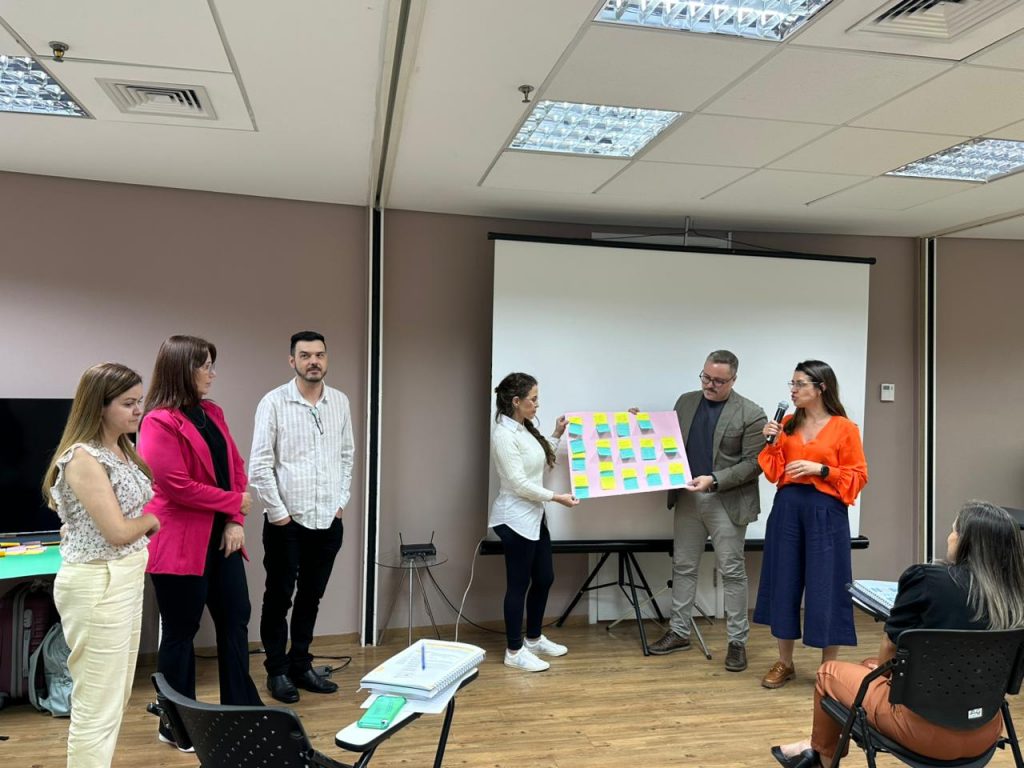
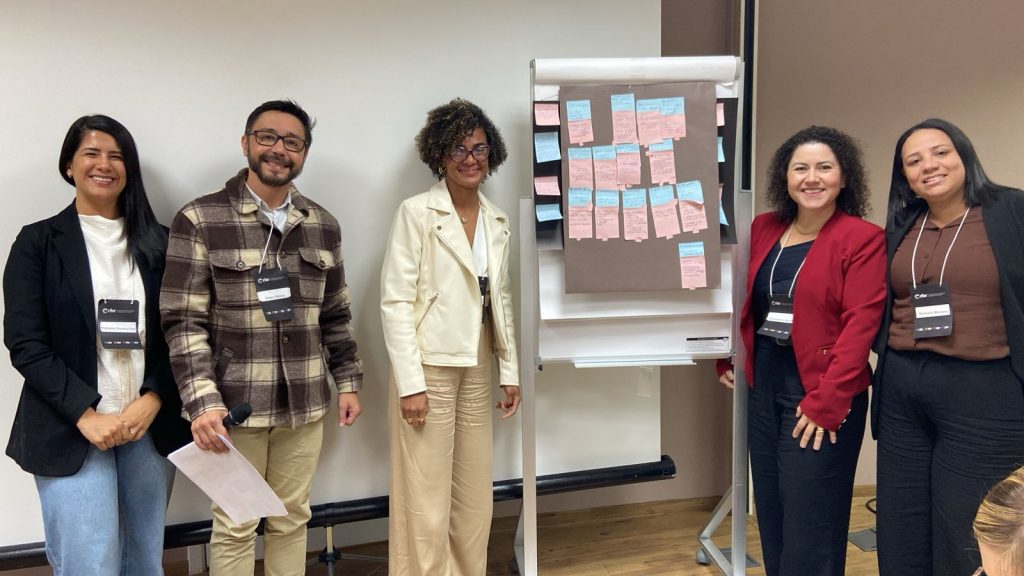
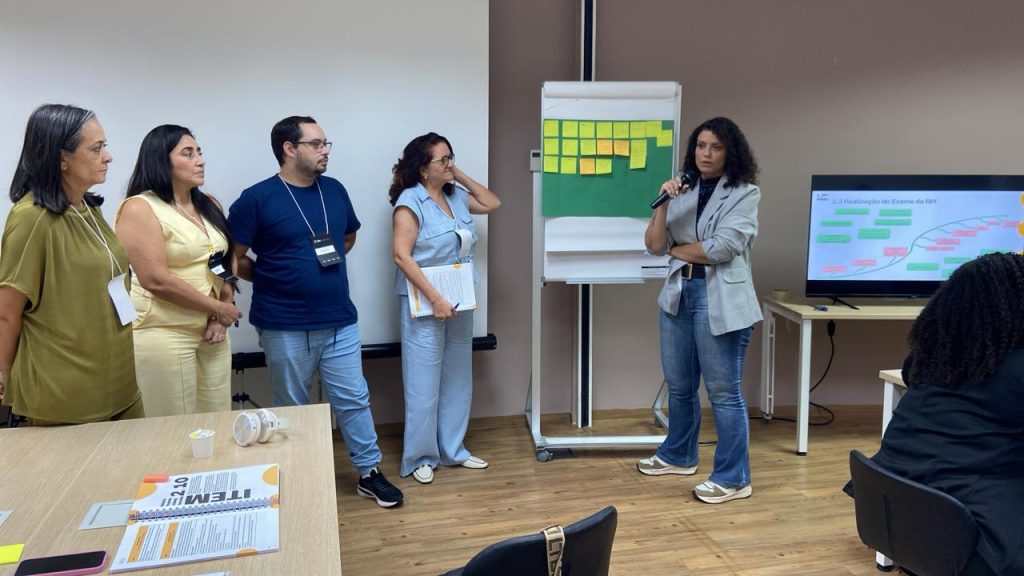
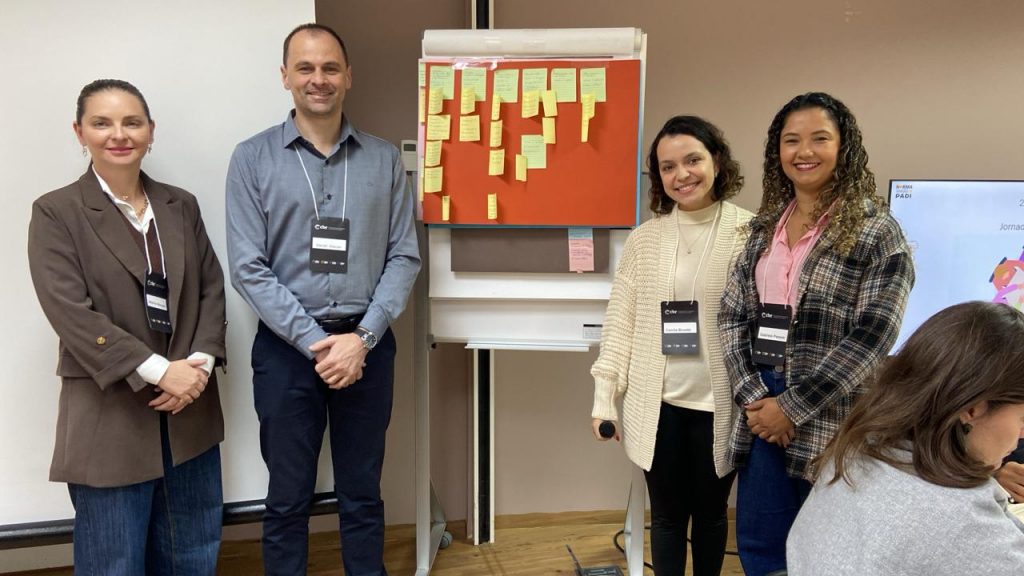
The course is in-person and has a very practical approach. During the two days of training, participants analyze situations that may occur within institutions, discuss different contexts, and carry out activities interpreting and applying the criteria of the standard. The aim is to bring the content closer to the daily work of the services and prepare professionals to conduct their internal audits with greater confidence.
The training also takes into account the specific characteristics of teleradiology services, which issue reports remotely and can also participate in the PADI accreditation process.
Another topic addressed is remote control, a modality in which the operation of diagnostic imaging equipment is performed remotely, with the support of the team present at the service. Its inclusion in the discussions demonstrates that PADI is keeping up with changes in the sector and that CBR seeks to guide services regarding the adoption of safe and responsible practices.
In 2026, five in-person training sessions were held, with the participation of nearly 200 professionals, at the CBR headquarters in São Paulo, and in partnership with institutions and entities from other locations. The sessions brought together professionals from different areas and Brazilian states, contributing to expanding knowledge about the new version of the standard.
Internal auditing plays an important role in this process. It is through internal auditing that the institution can evaluate its own processes, identify risks and opportunities for improvement, and monitor whether the implemented actions are actually producing the expected results.
More than just preparing the service for an external evaluation, the goal is to contribute to making the principles of quality and safety part of the institution's routine.
 English
  Português do Brasil